
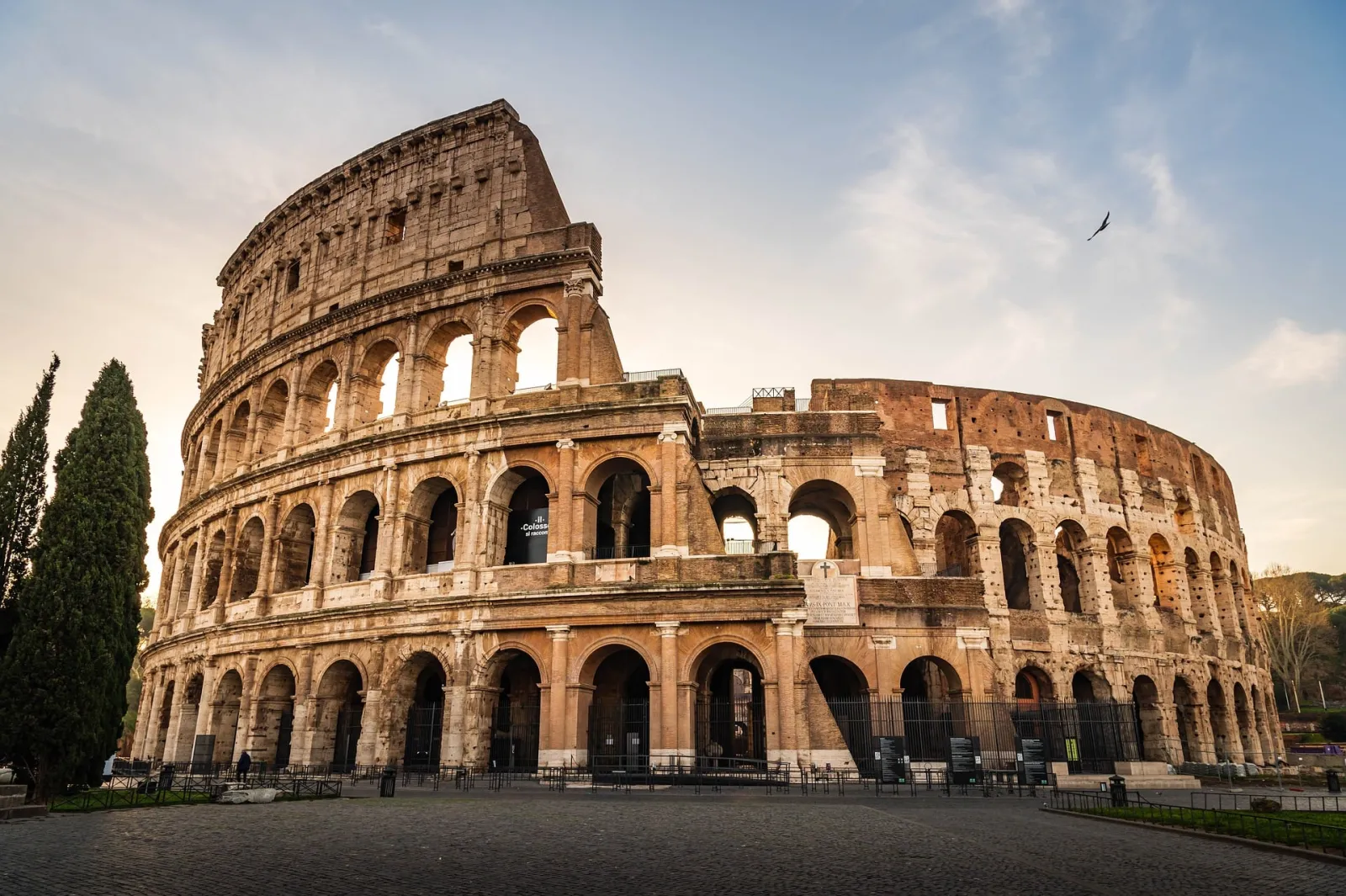

By the Traveller team · Updated July 2026
Rome stacks three thousand years on top of itself, which is part of the problem for walkers: the ancient sites sit apart from the baroque centre, and getting the order wrong means crossing the same ground twice in the afternoon heat. Do the ancient stuff first, while it's still cool and the light is good for photos, spend the middle of the day piazza-hopping through the historic centre, and save Trastevere — across the river, narrower streets, better trattorias — for after dark.
Why walk Rome?
- The historic centre is compact and mostly flat, with most of what matters inside a 2–3km radius.
- Cars are largely shut out of the centro storico, which makes it feel built for walking rather than merely tolerant of it.
- Piazza-hopping — Trevi, di Spagna, Navona — is a walking experience by design; treating it as a checklist misses the point.
- Trastevere's best trattorias sit on streets too narrow for anything but foot traffic, which is exactly why they're good.
A one-day itinerary
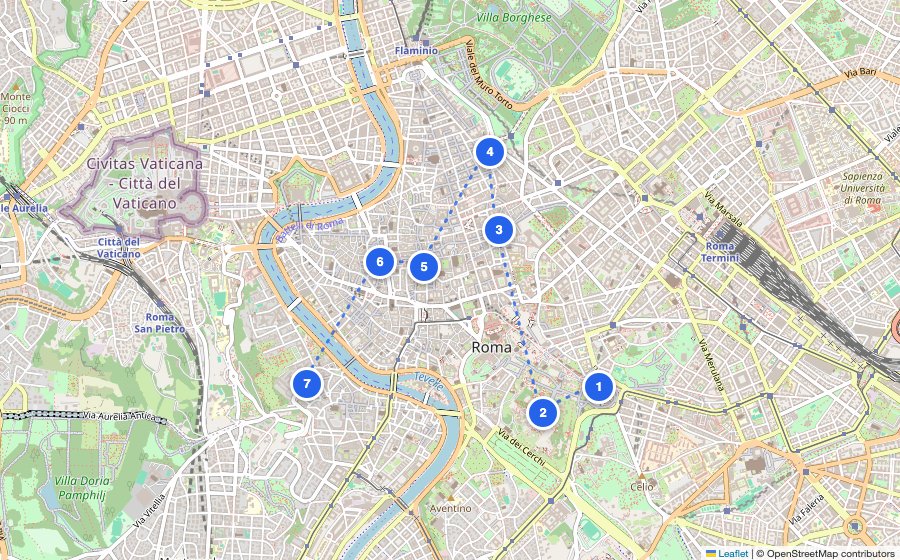
Morning
Colosseum & Roman Forum
Go early. This area gets hot and crowded fast, and the ruins photograph best in the soft light of the first couple of hours.
Palatine Hill
A quieter, elevated counterpoint to the Forum below, and usually skipped by people in a hurry — don't skip it.
Midday
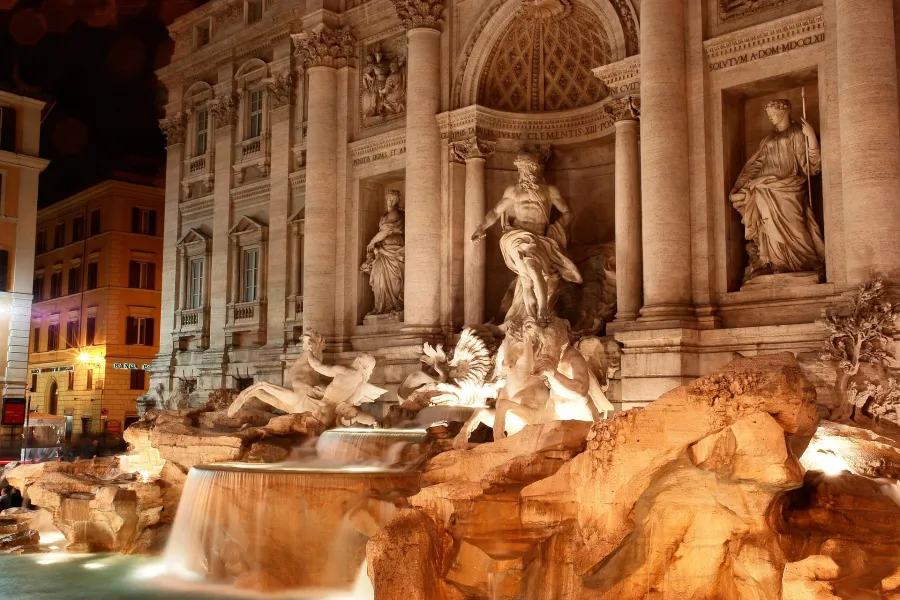
Trevi Fountain
North from the Forum toward the historic centre — go slightly off-peak, early midday is far calmer than evening, when it can feel more like a crowd than a fountain.
Spanish Steps
A natural next stop, with the surrounding streets good for slow browsing rather than a destination in themselves.
Afternoon
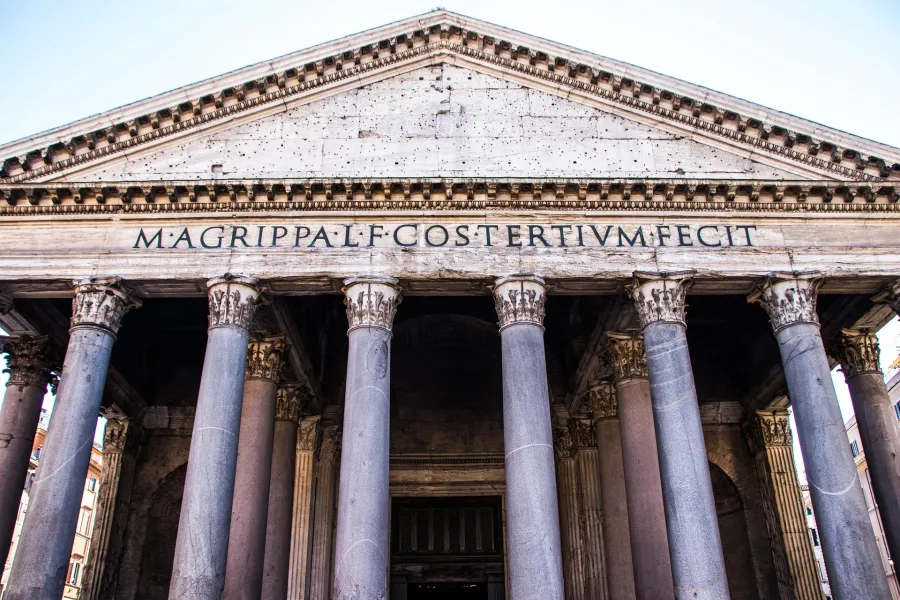
Pantheon
Working back southwest through the centre — still one of the most intact ancient buildings anywhere on earth. Stand under the oculus for a minute.
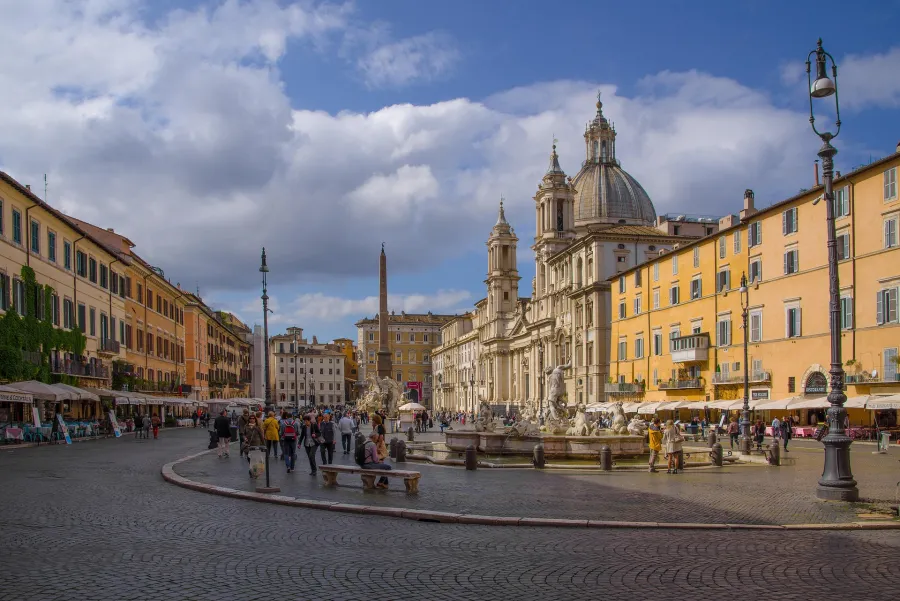
Piazza Navona
Baroque fountains and a good spot to sit before crossing the river for dinner.
Evening
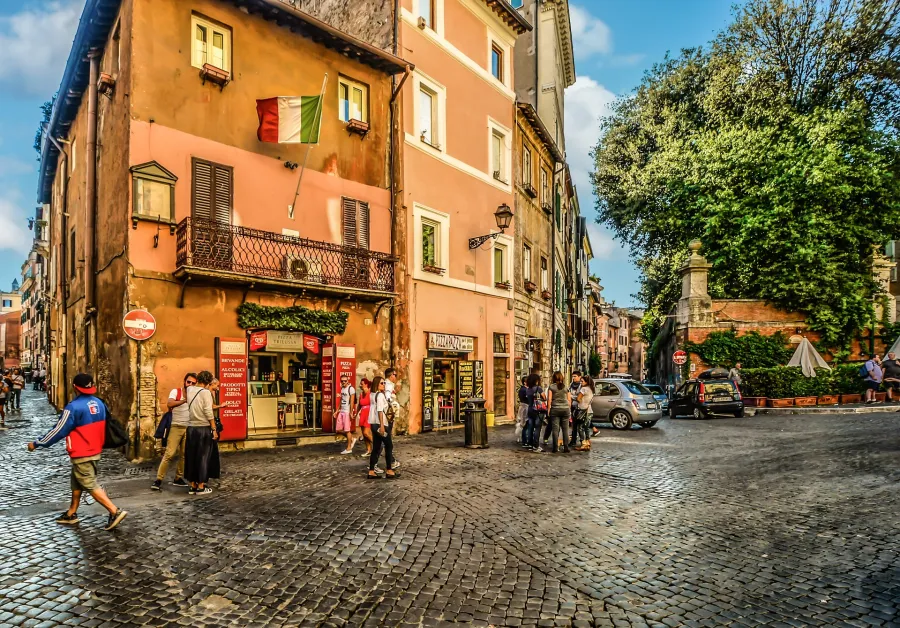
Trastevere
Cross the Tiber for dinner in the most atmospheric part of the city after dark — this is where the day should end, unhurried.
Practical tips
- •Rome's cobblestones (sampietrini) are uneven and genuinely hard on ankles — supportive shoes aren't optional here.
- •Summer midday heat is intense; the route above front-loads the ancient sites early for exactly this reason.
- •There's almost no shade around the Colosseum and Forum — carry water regardless of the season.
- •Many churches, including the Pantheon, close for a few hours around midday — check ahead if seeing the interior actually matters to you.
Common questions
Can you walk between the Colosseum and the Vatican?
It's about 5km, walkable in an hour, but most people are better off treating ancient Rome and Vatican City as separate days — both reward unhurried time, and combining them just means rushing both.
Is Rome a walkable city?
The historic centre is very walkable and mostly flat. The outer sights — the Vatican, some of the catacombs — are further out and better reached by metro or bus first.
What shoes are best for walking in Rome?
Supportive, closed-toe shoes with real cushioning. The ancient cobblestones are punishing in anything flat or thin-soled, no exceptions.
More general questions about Traveller? See the full FAQ →
Wondering whether a self-guided route, a paid tour, or AI planning is the right call for Rome? Compare the options →
Deciding between the two Italian cities? Rome vs. Florence →
Want this itinerary tuned to your exact day?
Traveller's AI builds a personalized route for Rome — your time window, budget, and vibe.
Create your free route →You might also like
More city guides