

By the Traveller team · Updated July 2026
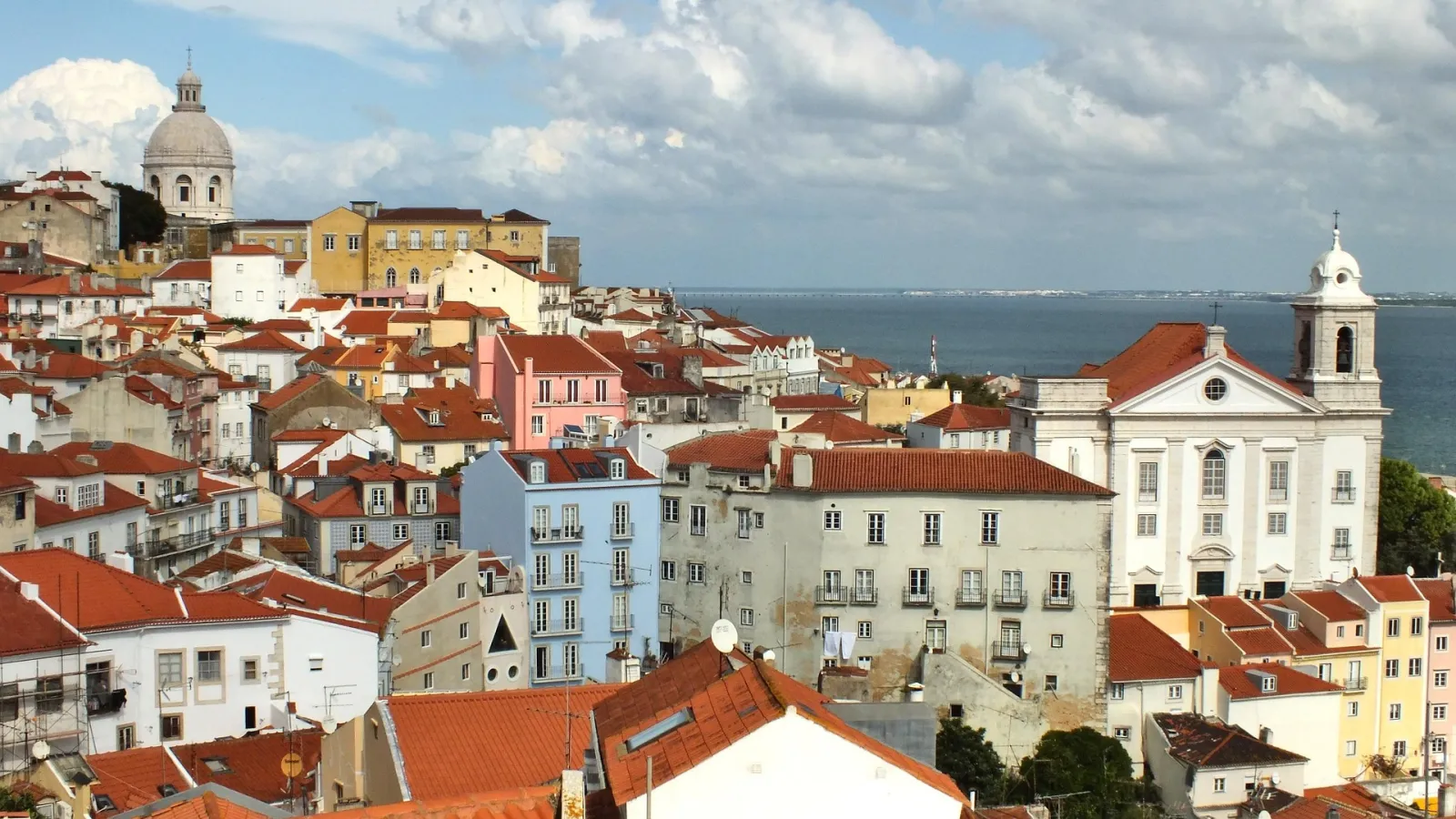
Lisbon is built on seven hills, and it does not let you forget it — this is one of the more physically demanding capitals to walk in Europe, and also one of the most rewarding, because every climb gets paid back with a miradouro looking out over the Tagus and a sea of terracotta rooftops. The trick is pacing the hills deliberately: take on Alfama's climb while you're still fresh in the morning, and save the flat riverside stretch for later, when your legs have had enough of stairs.
Why walk Lisbon?
- The miradouros are only reachable on foot — that's the entire point of them, and no funicular replaces arriving under your own effort.
- Alfama's medieval layout predates cars entirely, and it genuinely makes more sense on foot than it ever would behind a wheel.
- The historic trams cover some of the same ground, but only walking lets you stop wherever the view happens to be good.
- Riverside Lisbon — Belém, Cais do Sodré — is flat, and makes a welcome counterbalance once the hills have worn you down.
A one-day itinerary
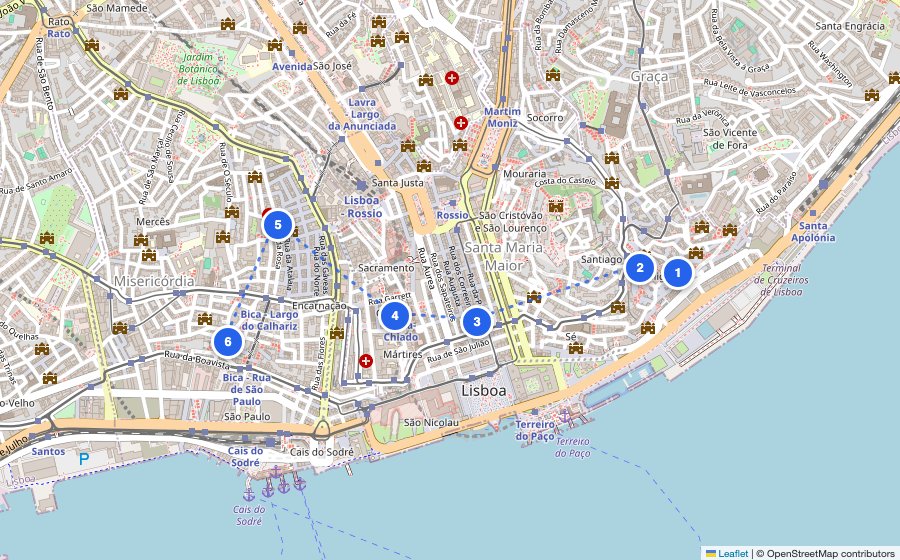
Morning
Alfama district
Start the climb early, before the heat sets in. This is the oldest part of the city, all narrow lanes and tiled facades, and it rewards getting lost in a way the rest of the city doesn't quite match.
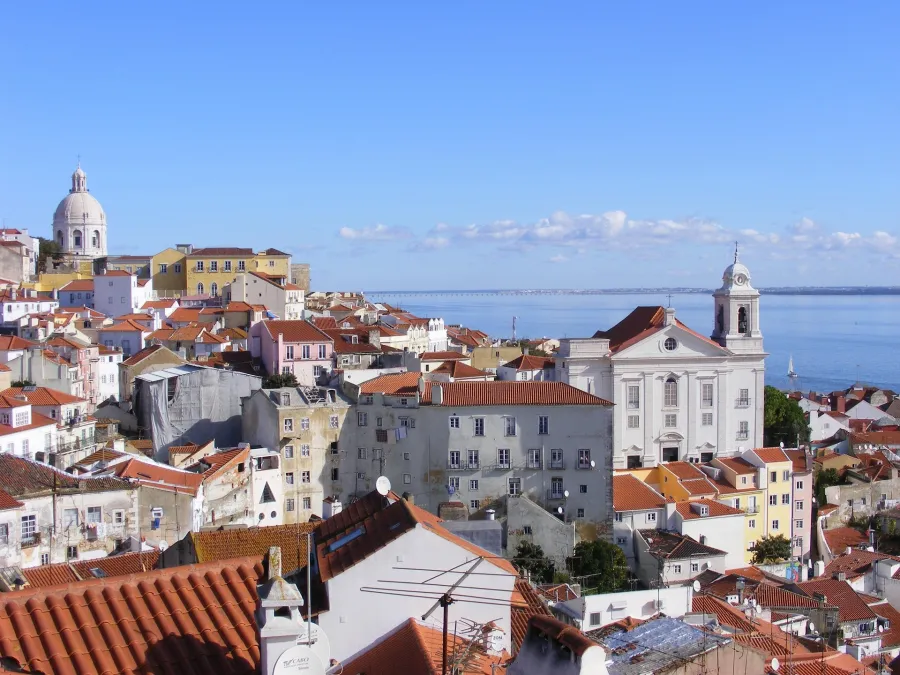
Miradouro das Portas do Sol
One of the classic river viewpoints, reached on foot straight out of Alfama — worth lingering at longer than you plan to.
Midday
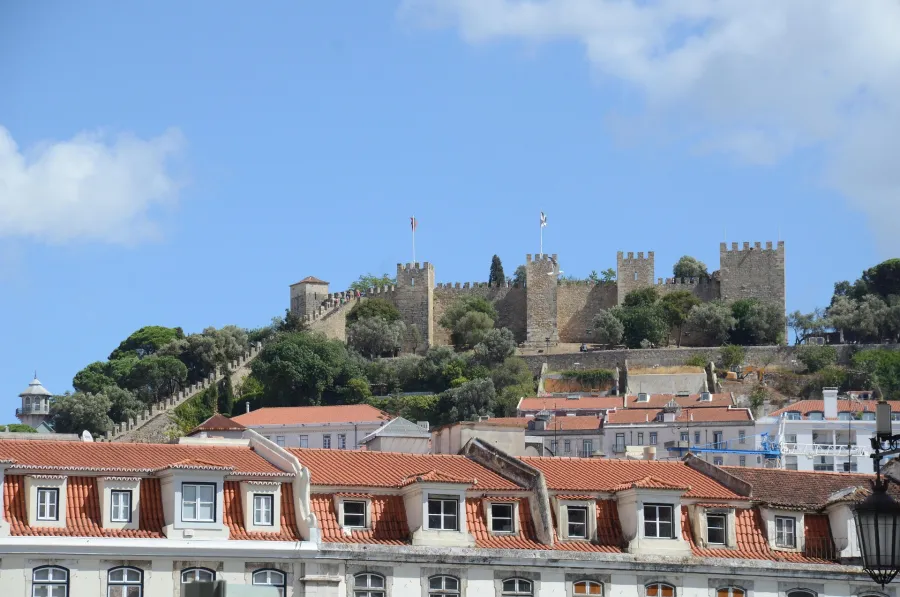
São Jorge Castle area
The climb is steep, but the view from the top over the city is the best one Lisbon has to offer.
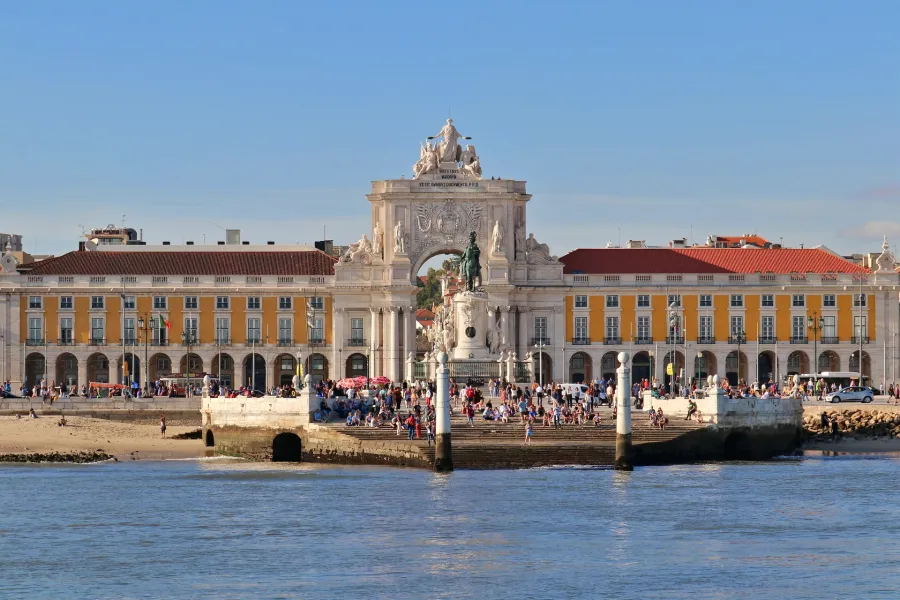
Baixa district
Descend into the flat, grid-planned downtown for lunch — a deliberate, welcome contrast after the morning's hills.
Afternoon
Chiado
Bookshops and cafés on the way up from Baixa — a natural stepping stone before the next hill.
Bairro Alto
Another hill, but a gentler one — good for an afternoon wander through streets noticeably quieter than Alfama's, and a straight line on to the sunset viewpoint.
Evening
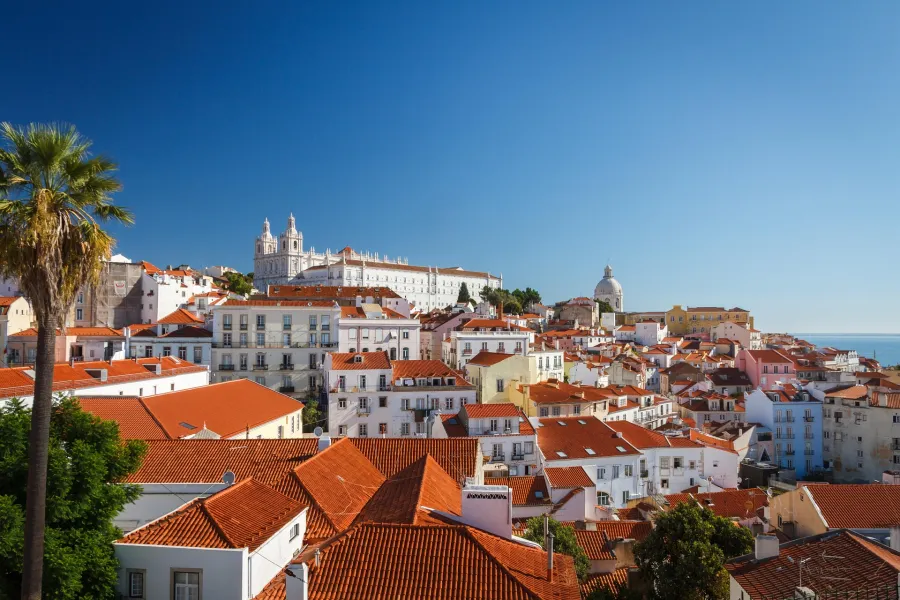
Miradouro de Santa Catarina
A relaxed, west-facing viewpoint for sunset — arrive with time to spare and just watch the light change over the water.
Practical tips
- •The hills are real. This is not a flat-city day, and building in seated breaks isn't optional if you want to enjoy the evening as much as the morning.
- •The traditional calçada portuguesa paving gets slippery when wet; grippy soles help even on a dry day, since the stone itself is worn smooth in places.
- •The historic Tram 28 covers similar ground to this route and is a fair option for the return leg if your legs are done.
- •Lisbon's sun is stronger than it feels — sunscreen matters even on days that don't feel especially hot.
Common questions
Is Lisbon hard to walk because of the hills?
Yes, noticeably more than most European capitals — real elevation gain, especially around Alfama and Bairro Alto. Comfortable shoes and a slower pace than you'd use in a flat city are worth planning around, not fighting.
What is the best viewpoint in Lisbon?
Miradouro das Portas do Sol and Miradouro de Santa Catarina are the two most visited, but the city has dozens more — half the fun of walking here is stumbling onto one that isn't on any list at all.
Can you skip the hills and still see central Lisbon?
Baixa and the riverside from Cais do Sodré to Belém are flat and walkable without much climbing at all, though skipping Alfama means missing the best viewpoints and the oldest part of the city.
More general questions about Traveller? See the full FAQ →
Wondering whether a self-guided route, a paid tour, or AI planning is the right call for Lisbon? Compare the options →
Want this itinerary tuned to your exact day?
Traveller's AI builds a personalized route for Lisbon — your time window, budget, and vibe.
Create your free route →You might also like
More city guides