

By the Traveller team · Updated August 2026
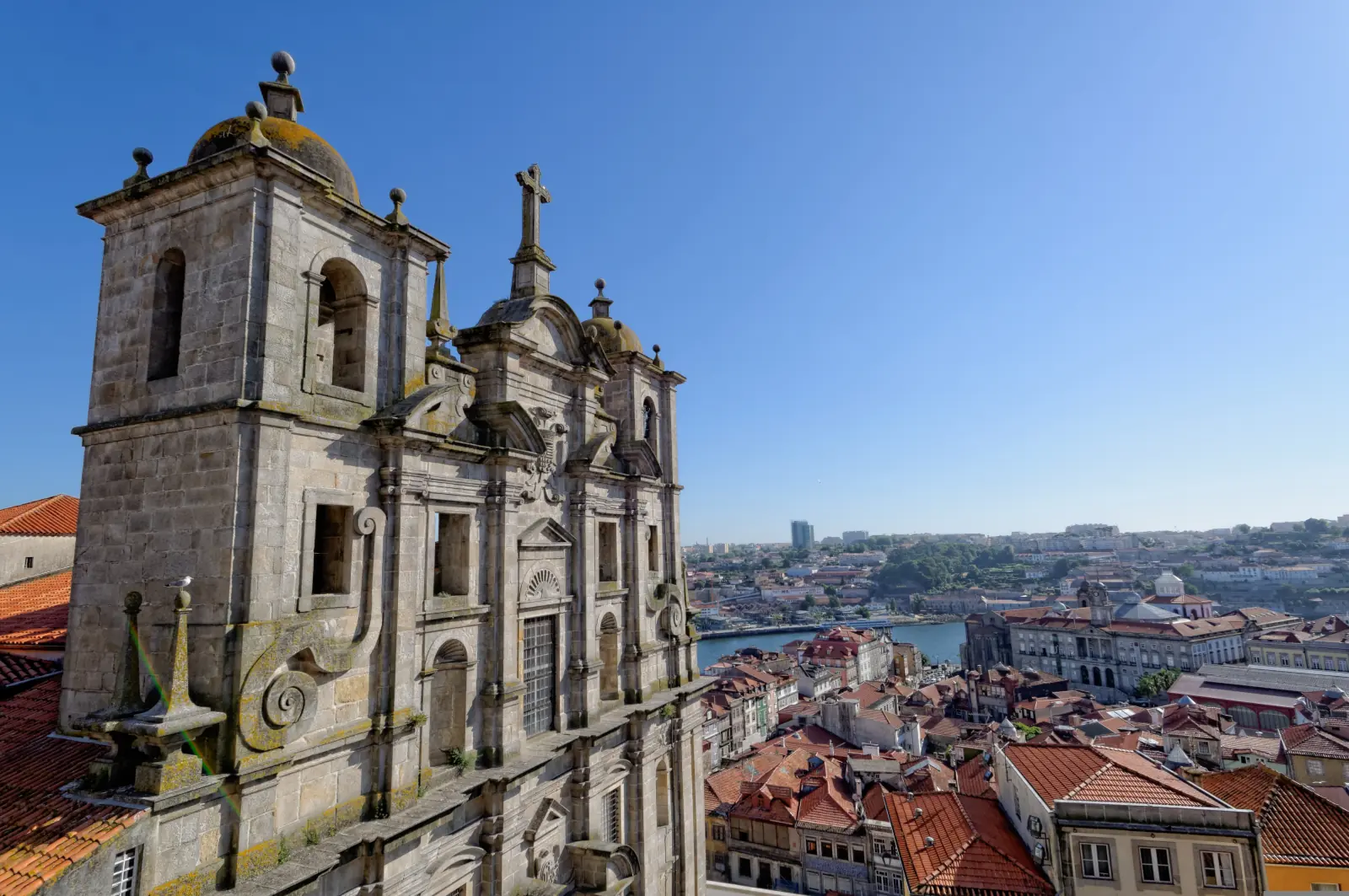
Porto shares Lisbon's hills and tiled facades, but organizes around a different axis entirely: the Douro river valley, with the historic Ribeira district tumbling down to the water on one bank and the port-wine lodges of Vila Nova de Gaia stacked on the other, joined by the two-level Dom Luís I bridge. Walk the compact historic centre — São Bento, Clérigos Tower, Livraria Lello — while it's still fresh in the morning, descend to Ribeira for a riverside midday, then cross the bridge into Gaia for an afternoon among the wine cellars. This is a hillier, more compact, more food-and-wine-forward day than Lisbon's viewpoint-chasing — a genuinely different rhythm, not a smaller rerun of the same city.
Why walk Porto?
- The historic centre is compact and dense enough to cover entirely on foot, similar in spirit to Florence's small footprint, but built on a steep river gorge instead of flat ground.
- The Dom Luís I bridge is walkable on both its upper and lower decks, turning a river crossing most cities would need a car or tram for into one of the best free views in the city.
- Vila Nova de Gaia's port-wine lodges are best discovered by wandering the riverside strip and picking one, not by pre-booking the most famous name — the same "best thing isn't the one with the marketing budget" instinct this site keeps coming back to.
- Ribeira's tangle of tiled, colourful houses tumbling toward the river rewards slow wandering with no fixed route, the same way this site treats Barcelona's Gothic Quarter or Lisbon's Alfama.
A one-day itinerary
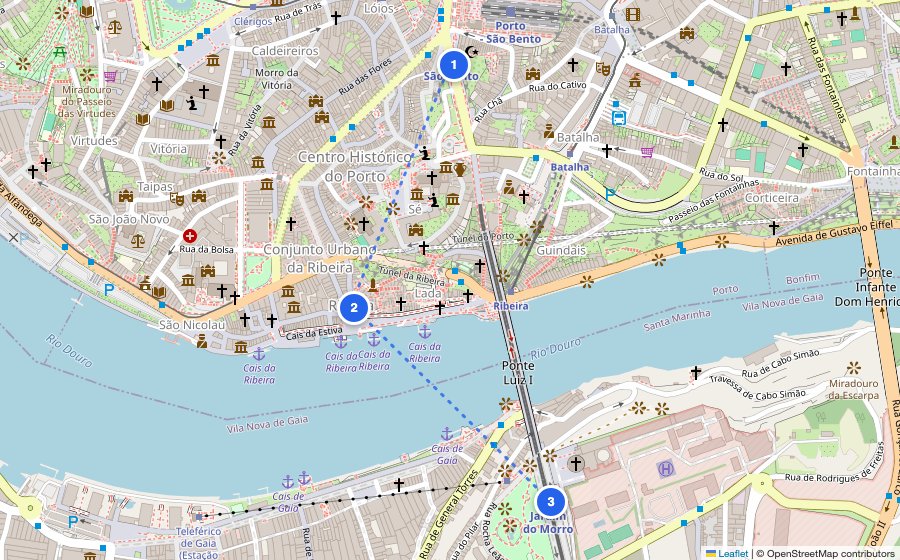
Morning
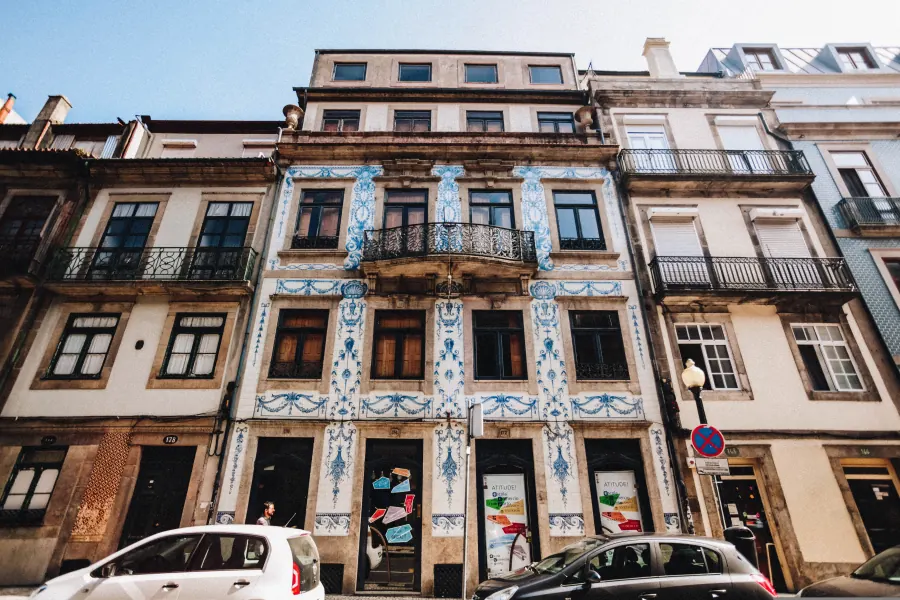
São Bento station (azulejo tile murals) + Clérigos Tower & Livraria Lello
Start in the compact commercial core while it's still cool and quiet.
Midday
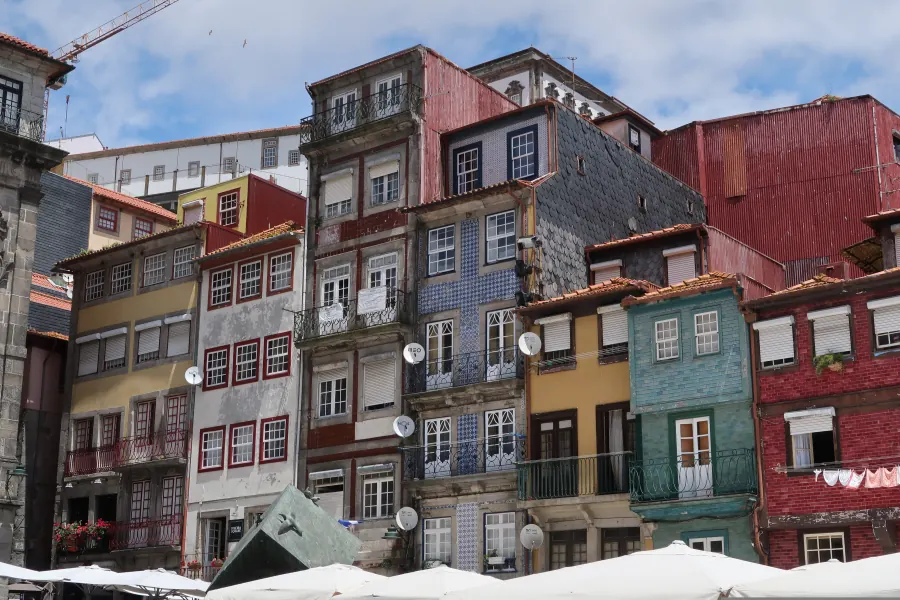
Ribeira district
Lunch by the Douro — the day's most atmospheric wandering stretch.
Afternoon
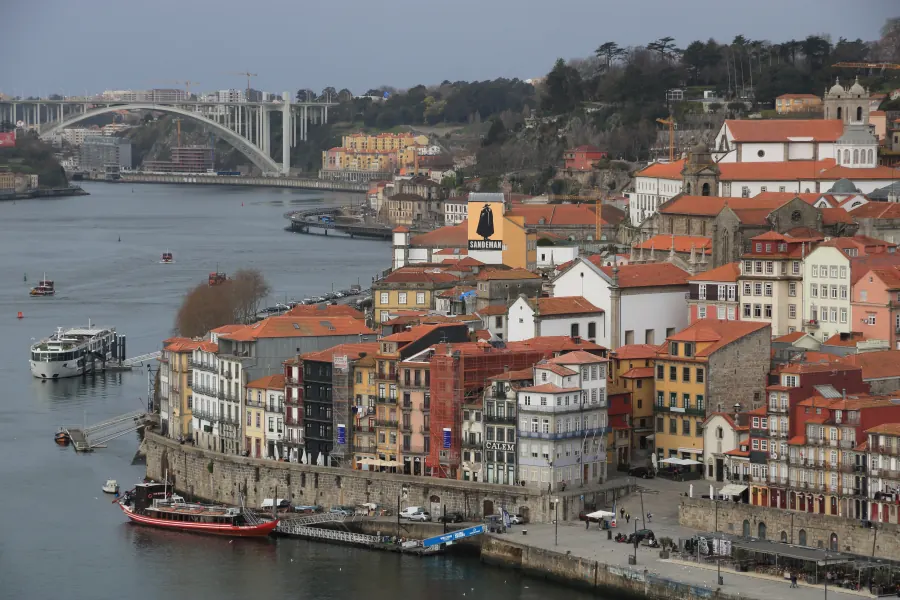
Dom Luís I bridge crossing + Vila Nova de Gaia port-wine lodges
The hinge point of the day — a river crossing plus a wine-cellar visit or two.
Evening
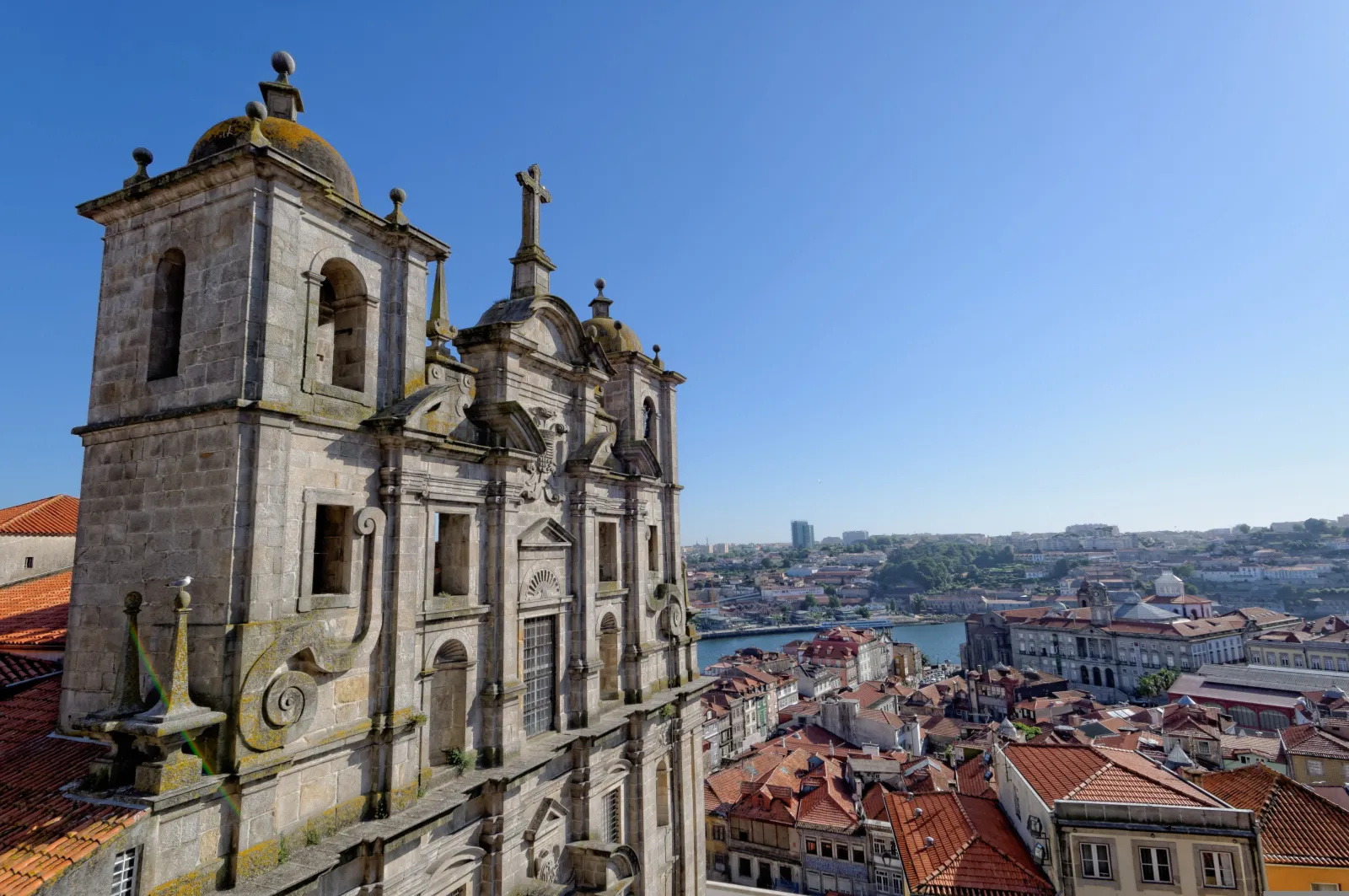
Back to Ribeira for dinner, or Jardim do Morro / Serra do Pilar on the Gaia side
Both are valid, interchangeable finishes depending on how much energy is left.
Practical tips
- •Porto is genuinely hilly and cobblestoned — pair that expectation with Lisbon's "the hills are real" warning rather than assuming it's the flatter twin.
- •Port-wine tastings mean the day naturally slows down mid-afternoon — treat that as a feature, not something to rush through.
- •The Funicular dos Guindais is a fair fallback for the steepest connector between Ribeira and the upper town, the same "public transport as an honest fallback" rule used elsewhere on this site.
- •Trams and buses need a validated ticket, same as the rest of Portugal.
Common questions
Can you see Porto in a day on foot?
Yes — the historic centre, Ribeira, and a crossing into Gaia all fit comfortably into one day, though the hills make it a slower day than Lisbon's flatter stretches.
Is Porto a walkable city?
Yes, but hilly — expect real elevation between the upper town and the riverside, similar to Lisbon.
Is Porto or Lisbon better for a walking trip?
Different, not better — Lisbon is bigger with more viewpoints to chase; Porto is smaller, hillier, and built around one river crossing and a wine-cellar afternoon. Most people who can manage it visit both.
More general questions about Traveller? See the full FAQ →
Wondering whether a self-guided route, a paid tour, or AI planning is the right call for Porto? Compare the options →
Want this itinerary tuned to your exact day?
Traveller's AI builds a personalized route for Porto — your time window, budget, and vibe.
Create your free route →You might also like
More city guides